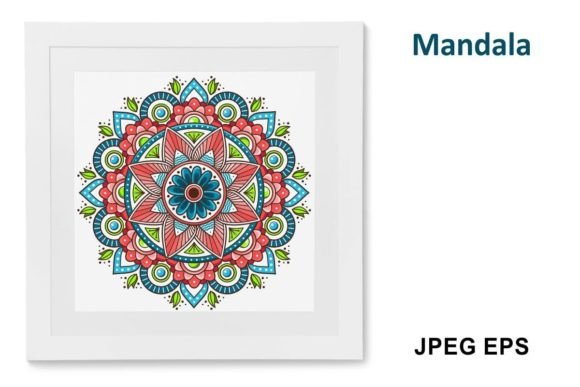
Vector Indian Mandala Outline Decorative
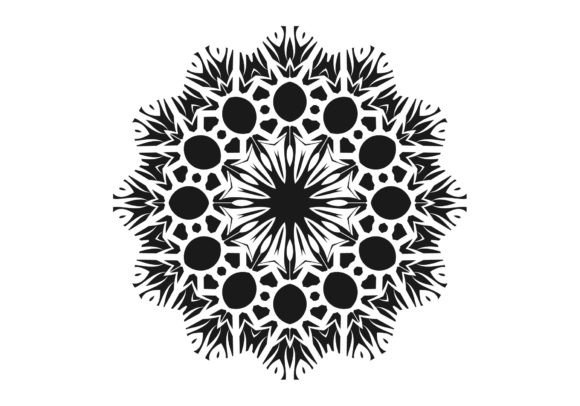
There's a certain magnetism to patterns that feel both ancient and meticulously crafted. The Vector Indian Mandala Outline Decorative isn't just a collection of shapes; it's a visual language rooted in sacred geometry. Imagine the intricate lacework of henna, the balanced symmetry of a spiritual yantra, and the bold graphic appeal of modern line art, all fused into a single, versatile design asset. This isn't a traditional typeface you'd use for body copy. Instead, it's a specialized set of ornamental glyphs, frames, and patterns delivered in scalable vector formats like EPS and high-resolution JPEGs. Its personality is meditative, ornate, and deeply cultural, offering a bridge between timeless ethnic art and contemporary digital design.
Where Sacred Geometry Meets Modern Design Projects
The true value of an asset like Vector Indian Mandala Outline Decorative lies in its remarkable range. For a graphic designer, it's a toolkit for creating instant visual depth. Use it as a sophisticated background layer for a yoga studio's branding, a subtle watermark on artisanal product packaging, or a central motif for a wedding invitation suite. The clean outline style ensures it complements rather than overwhelms, working beautifully alongside both serif fonts for elegance and sans serif fonts for a clean, modern contrast.
Entrepreneurs and small business owners, particularly in wellness, beauty, or lifestyle sectors, can leverage this pattern to build a cohesive brand identity. Think beyond the logo: the mandala can extend into social media post templates, website hero sections, product label backgrounds, and even the pattern on a tote bag. It signals mindfulness, craftsmanship, and a connection to holistic traditions. For content creators and bloggers, it's a secret weapon for creating visually consistent pins, Instagram stories, and e-book covers that stand out in a crowded feed. The pattern's inherent balance makes any layout feel more intentional and polished.
Crafting Visual Hierarchy and Audience Connection
Integrating a complex decorative element requires a strategist's touch. The mandala's intricate nature means it naturally commands attention. Use it to establish a strong visual hierarchy. A large, centered mandala can serve as the anchor for a poster or a book cover, drawing the eye inward. Scaled down and repeated, it can create a mesmerizing texture or border. Its sacred geometry often evokes feelings of harmony, spirituality, and introspection, which can profoundly influence brand perception. A wellness app using this motif subtly communicates balance and depth, while a boutique hotel's stationery set gains an air of exotic luxury.
Consistency is key to professional design. By using the same mandala asset or a set from the same family across all touchpoints—from a website favicon to a large-format print—you build instant recognition. The audience begins to associate that specific visual rhythm with your brand's essence. This is where a premium font or asset proves its worth; it provides the raw material for building a memorable and engaging visual narrative that resonates on an almost subconscious level.
Practical Guidance for Selection and Integration
Choosing this decorative element is less about font pairing in the traditional sense and more about compositional harmony. Start by evaluating the project's mood. Does it call for the ornate detail of henna art, or a more simplified, geometric interpretation? Review the included files—does the pack offer isolated elements, full-page patterns, and seamless tiles? This variety is crucial for flexible application.
When testing, place the vector outline over your intended background color or image. Check its scalability; a true vector (EPS) file will remain crisp at any size, from a tiny icon to a billboard. For digital use, high-resolution JPEGs or PNGs with transparency are often more practical. Readability of any overlaid text is paramount. You may need to add a semi-transparent overlay, a solid color block, or a subtle drop shadow behind your headlines and body copy to ensure clarity. Always consider the cultural context and use the pattern respectfully, appreciating its origins while applying it in new creative ways.
Finally, scrutinize the commercial license. If you're using it for client work, merchandise, or any project that generates revenue, you need explicit permission. A reputable source will provide clear licensing terms for both personal and commercial use. This isn't just about legal safety; it's about ethical practice in the creative economy.
From Etsy Shop to Enterprise Brand
The applications are as broad as your imagination. A crafter can use the outline for stunning coloring book pages, custom embroidery patterns, or laser-cut wood ornaments. A marketer can create eye-catching infographic backgrounds or thematic email newsletter headers. A publisher might use it as a chapter opener ornament in a book on mindfulness or culture. In packaging design, a mandala outline can turn a simple box into a gift-worthy experience. In web design, it can animate subtly as a loading screen or frame a testimonial section, adding a layer of sophistication that generic stock graphics can't match.
Think of Vector Indian Mandala Outline Decorative not as a single "font" but as a foundational design system. It's a visual ingredient that, when used with intention, can elevate a project from ordinary to exceptional. It brings a sense of order, beauty, and cultural richness that helps brands and creators tell a more compelling, layered story. In a world of flat design and fleeting trends, this kind of timeless, geometric artistry offers a powerful way to connect with an audience seeking depth and authenticity.