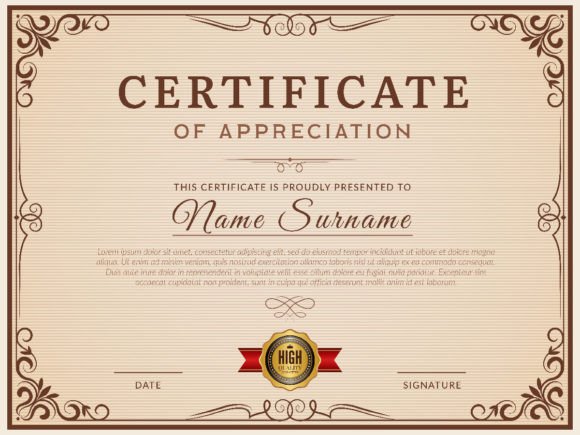
Modern Certificate Borders for Any Achievement
There is a specific weight to a well-designed certificate. It is more than just paper and ink; it is a physical manifestation of effort, completion, or excellence. But in a digital age where templates are ubiquitous, how do you ensure your certificate feels substantial and authentic? The secret often lies in the frame. A Certificate Template. Decorative Borders is not just a passive container; it is the architectural foundation that signals prestige before a single word is read.
When we talk about a Certificate Template. Decorative Borders, we are referring to a specific style of design assets that blends classical ornamentation with modern typography. Unlike the heavy, gold-leafed filigree of the Victorian era, these vector layouts often utilize clean lines, geometric precision, and negative space. The "personality" of this style is confident yet understated. It avoids the clutter of vintage designs in favor of sharp corners, subtle gradients, and intricate but airy patterns. This is a premium font and frame combination that understands that modern luxury is about restraint as much as it is about detail.
Visual Characteristics and Modern Appeal
The visual language of a modern decorative border is rooted in vector precision. Because these assets are typically delivered in EPS formats, they are infinitely scalable. You can print them on a business card or blow them up to a billboard without losing a pixel of clarity. This is crucial for brand identity and consistency.
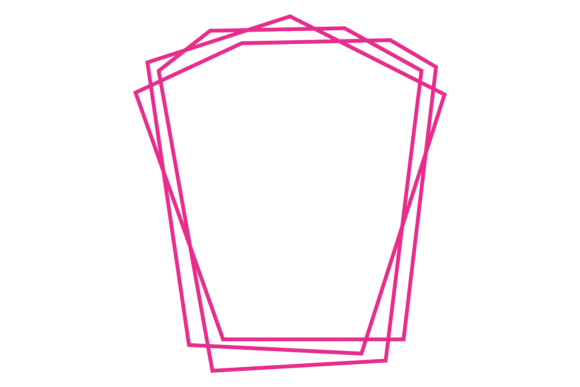
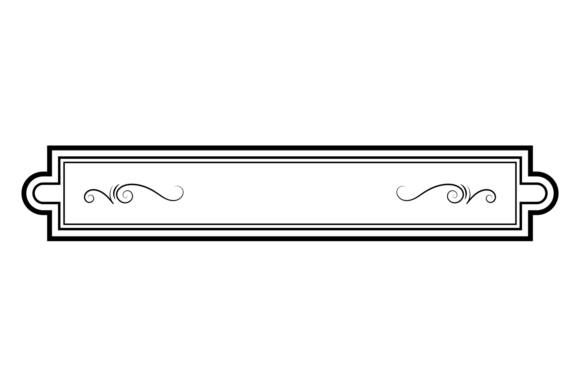
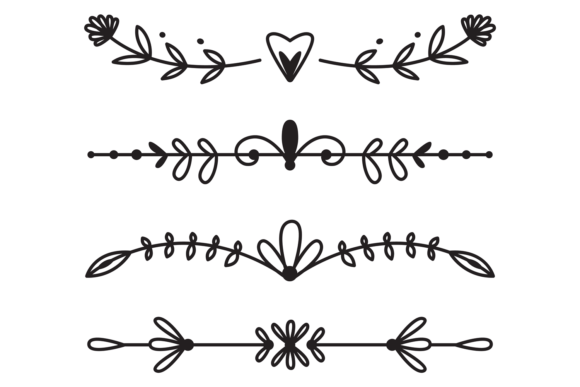
Aesthetically, these borders often play with symmetry and balance. You might see corner ornaments that feature stylized botanical elements—leaves or vines—but drawn with clean, uniform stroke weights rather than realistic shading. This creates a look that is professional and suitable for corporate environments, yet creative enough for artistic awards. The appeal lies in this versatility. It bridges the gap between a stiff corporate document and a creative piece of editorial design.
Where These Assets Truly Shine
While the primary use case is obvious—graduation, employee recognition, or course completion—the utility of a high-quality Certificate Template. Decorative Borders extends far beyond the HR department. For marketers and entrepreneurs, these borders can elevate a "Certificate of Authenticity" for high-end products, adding perceived value to packaging design. For bloggers and content creators, they serve as excellent frameworks for "Award" badges or social proof graphics on social media graphics.
Consider the small business owner running a workshop. Using a generic, flat certificate feels like an afterthought. Using a Certificate Template. Decorative Borders with a sophisticated frame suggests that the course content is equally high-quality. It signals to the recipient that this achievement matters. It is a subtle form of psychological branding that reinforces the value of the service provided.
Influence on Brand Perception and Hierarchy
Design is about directing the eye, and borders are the first step in that process. A well-constructed border acts as a visual funnel, guiding the viewer's attention inward toward the most critical information: the name and the achievement. In web design and print, we call this creating a clear visual hierarchy.
When you pair a Certificate Template. Decorative Borders with the right typeface, the result is professional cohesion. The border sets the mood, and the typography delivers the message. If the border is modern and geometric, pairing it with a stiff, outdated serif might create conflict. Instead, you might look for a clean sans serif font for the body text to maintain readability, paired with a stylish script font or handwritten font for the signature line. This interplay between the rigid border and the fluid script creates a dynamic tension that feels alive and engaging.
Practical Guidance for Designers and Creators
Integrating these assets into your workflow requires a bit of strategy. Here is how to get the most out of your design assets:
- Evaluating the Vector File: Since these templates come in EPS formats, ensure you have software that can handle vector editing, such as Adobe Illustrator or Affinity Designer. This allows you to manipulate the anchor points. You might want to thicken the strokes of the border to match the weight of your chosen display font.
- Color Theory: Modern decorative borders often look best in monochrome (black on white or white on dark backgrounds) or with a single metallic accent. Avoid the trap of making the border too colorful; let the structure of the ornament speak for itself. This approach supports a strong brand identity by keeping the palette controlled.
- Whitespace is Key: Do not crowd the interior of the certificate. The decorative border is the "frame," and the content is the "art." Give the text room to breathe. If the border is intricate, keep the internal layout minimal. If the border is simple and geometric, you can afford a denser layout of text.
Font Pairing and Typography Strategy
The relationship between the border and the text is symbiotic. You cannot treat them as separate entities. When selecting a creative font to place inside a Certificate Template. Decorative Borders, consider the mood of the ornament.
If the border features sharp, angular corners and geometric shapes, a sans serif font with similar geometric qualities (like a Futura or Montserrat style) will create a harmonious, modern look. This is ideal for tech startups or web design agencies. Conversely, if the border has softer, floral, or curved elements, a transitional serif font (like a Garamond or Baskerville style) can soften the overall feel, making it suitable for literary awards, educational institutions, or luxury brands.
Do not be afraid to mix. A common strategy in logo design and certificate creation is to use a bold, all-caps sans serif font for the title of the award, and a flowing script font for the recipient's name. This mimics the look of a handwritten signature and adds a personal touch that digital certificates often lack.
Licensing and Commercial Use
Finally, for the entrepreneurs and designers reading this, a note on legality is essential. Most high-quality vector templates require a commercial font license if you are using them in products you sell. However, the "font" here refers to the typography you choose to pair with the border.
Ensure that the border template itself allows for commercial use if you are selling the final certificate as a product to clients. If you are using it solely for your own business internal awards, standard licensing usually suffices. Always check the specifics of the ZIP folder you receive. A premium font or asset is an investment in your brand's perceived quality. It removes the "cheap" look of stock assets and replaces it with curated professionalism.
Ultimately, a Certificate Template. Decorative Borders is a tool of recognition. It transforms a simple PDF into a memento. By choosing a modern, vector-based design and pairing it with thoughtful typography, you ensure that the recognition you offer carries the weight and prestige it deserves.