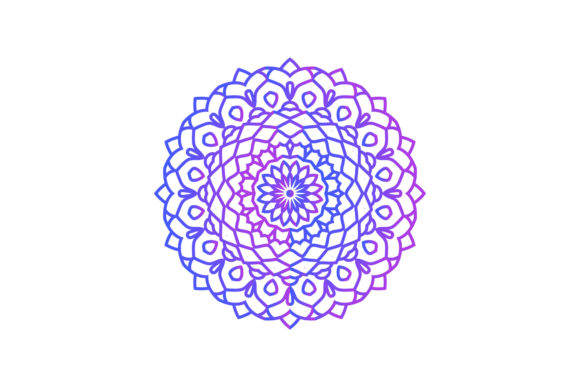
Islamic Mandala Round Art Decorative: A Designer's Guide
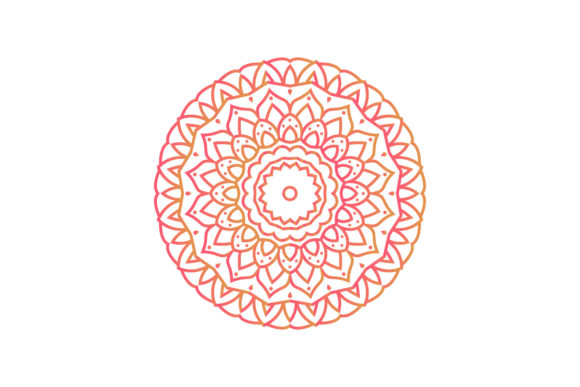
When you first encounter an Islamic Mandala Round Art Decorative design, its immediate impact is one of profound symmetry and intricate detail. This isn't just another decorative asset; it's a piece of visual culture that carries deep historical and spiritual significance. For designers, entrepreneurs, and creators, understanding its core personality is the first step to using it effectively. The design is characterized by its radial balance, geometric precision, and flowing, interlocking patterns. It often features a central focal point from which elaborate motifs expand outward, creating a sense of harmony and infinite continuity. The overall appeal is one of sophistication, tranquility, and timeless elegance. It feels both ancient and contemporary, making it a versatile asset in a modern creative toolkit.
Where This Design Truly Shines
The true strength of a premium design asset like this lies in its adaptability. Its circular, self-contained form makes it ideal for applications where a strong, centered visual is needed. Think beyond the obvious. Yes, it's perfect for t-shirt design and apparel, but consider its power in packaging design for luxury goods, artisanal products, or wellness brands. The mandala can serve as a stunning centerpiece on a product label or a gift box, instantly communicating a brand's commitment to detail and cultural appreciation.
In the digital realm, it's a powerhouse for social media graphics. A well-placed mandala can transform a simple quote post or a promotional announcement into a piece of shareable art. For web design, it can be used as a hero image background, a section divider, or an elegant icon set when deconstructed. Editorial design also benefits greatly; imagine it as a chapter opener in a book, a feature in a magazine layout, or the foundation for a striking poster. For crafters and hobbyists, the applications are endless—from creating unique tote bags and stickers to designing personalized greeting cards and invitations.
Influencing Perception and Engagement
A design's visual language directly shapes audience perception. The Islamic Mandala Round Art Decorative style communicates specific brand attributes. Its complexity and precision suggest professionalism and meticulous care. The symmetry evokes balance, order, and reliability. For a brand, incorporating this design can build a brand identity that feels rooted, thoughtful, and aesthetically refined. It moves a project from feeling generic to feeling curated. This isn't about slapping a pattern on something; it's about using a creative font—or in this case, a creative graphic—to establish a visual hierarchy that guides the viewer's eye naturally to the most important information, all while enveloping them in an atmosphere of elegance.
Making It Work for Your Project
Practical application is everything. When you acquire the Islamic Mandala Round Art Decorative package, you receive it in multiple formats: AI, SVG, transparent PNG, JPG, and EPS. This is critical for workflow. The vector formats (AI, SVG, EPS) are your best friends for scaling to any size without quality loss—essential for large format printing or detailed embroidery files. The transparent PNG is invaluable for layering in Photoshop or placing over complex backgrounds in your layouts.
Evaluating fit is key. Ask yourself: does the mood of the mandala align with my project's tone? For a serene yoga studio's branding, it's a natural fit. For a cutting-edge tech startup, it might need careful pairing with a clean, modern sans serif font to create an interesting contrast. Test font pairings rigorously. A delicate script font might get lost against the mandala's detail, whereas a bold serif font or a geometric sans serif can hold its own and create a balanced typographic hierarchy.
Always review the included files and understand the canvas size (1920px x 1280px). This gives you a high-resolution starting point. For commercial projects, ensure you are clear on the licensing terms—most premium assets come with a license that covers both personal and commercial use, but it's your responsibility to verify. Start by testing the design in a mockup. Place it on a t-shirt template, a business card, or a social media post frame. See how it interacts with your color palette and other design elements. The goal is integration, not imposition. Let the mandala enhance your message, not overpower it. When used thoughtfully, this design asset becomes more than decoration; it becomes a cornerstone of a compelling visual narrative that engages and resonates with your audience.