Discover the Blooming Plants Set: Decorative Wildflowers for Your Projects
Finding the right design assets can feel like searching for a specific wildflower in a meadow—you know what you need, but the sheer volume of choices is overwhelming. When your project calls for something organic, lively, and distinctly artistic, a generic clipart collection won't do. You need a toolkit that captures the untamed beauty of nature with professional polish. Enter the Blooming Plants Set: Decorative Wildflowers. This isn't just another floral graphics pack; it's a versatile collection of isolated floral elements designed to bring a fresh, botanical elegance to a wide range of creative work.
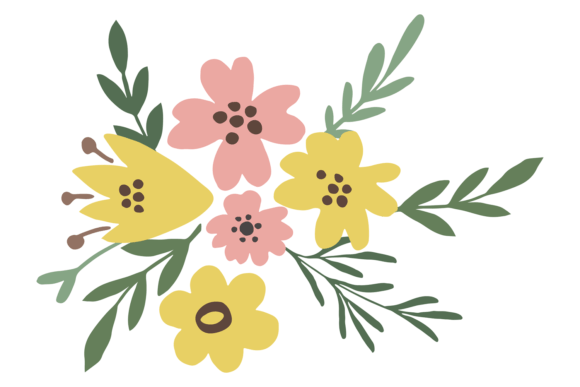
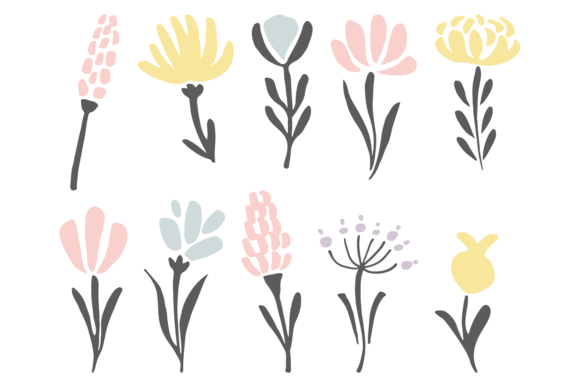
So, what exactly is this set? Imagine a curated garden of digital flora. The Blooming Plants Set: Decorative Wildflowers features a variety of hand-drawn or digitally rendered flowers, leaves, stems, and botanical sprigs. Each element is isolated on a white background, making it exceptionally easy to extract and use. The visual personality is one of controlled wildness—the lines have a natural, slightly imperfect quality that feels authentic and charming, avoiding the sterile look of overly geometric graphics. The style bridges the gap between illustrative art and functional design asset, offering both artistic flair and practical utility. Whether you're working with EPS, JPG, SVG, or transparent PNG files, the set provides the flexibility needed for both print and digital workflows.
Where These Floral Elements Truly Blossom
The true strength of the Blooming Plants Set lies in its adaptability. For graphic designers and brand strategists, these elements are gold for creating cohesive brand identity systems. Use them to craft a unique logo design for a boutique, a florist, or an organic skincare line. The botanical motifs can be integrated into stationery, packaging, and website headers to establish a recognizable and inviting visual language.
For marketers and content creators, the set solves a persistent problem: creating scroll-stopping social media graphics that feel fresh. Layer the wildflowers behind text in Instagram posts, use them as decorative borders in Pinterest pins, or create elegant story templates. The transparent PNG files are particularly useful here, allowing for seamless integration over any colored background or photograph.
In editorial design and publishing, these floral elements can elevate layouts for magazines, blogs, and e-books. They work beautifully as chapter openers, section dividers, or subtle accents in the margins. A set of delicate wildflowers can add a touch of sophistication to a cookbook, a travel journal, or a wellness publication without overwhelming the text. For small business owners and crafters, the applications are equally powerful. Design your own wedding invitations, create custom gift wrap, or embellish handmade cards. The SVG format is ideal for those using cutting machines like Cricut or Silhouette to produce physical products.
Making the Set Work for Your Design Goals
Integrating a decorative wildflowers set effectively requires more than just dropping a flower onto a page. Think about how these elements influence your project's core metrics. In terms of readability and visual hierarchy, use the larger, bolder floral pieces to draw the eye toward a headline or a key call-to-action. Smaller, more delicate sprigs can guide the viewer's gaze along a text block or frame a quote without causing distraction.
The personality of your brand or project is directly impacted by your choice of graphics. Using these wildflowers consistently across your marketing materials, website, and packaging builds brand perception that is approachable, creative, and connected to nature. This consistency fosters professionalism and aids in audience engagement, as people are drawn to visuals that feel both beautiful and thoughtfully curated.
When choosing how to use the Blooming Plants Set, consider your project's context. For a web design project, ensure the floral elements don't slow down page load times—optimize your PNGs and consider using SVG for scalability without quality loss. For print, the EPS or high-resolution JPG files will be your best bet. Always test font pairings if you're combining these graphics with text. A clean sans serif font can provide a modern contrast to the organic shapes, while a serif font might enhance a classic, editorial feel. A script font or handwritten font can be used sparingly for special accents, but ensure it remains legible.
Practical Tips for Evaluation and Use
- Assess the Range: Does the set include the specific types of flowers and foliage that align with your project's aesthetic? Look for variety in scale and complexity.
- Check File Formats: Confirm you have the necessary file types (EPS, SVG, transparent PNG, JPG) for your software and end use, whether it's Adobe Illustrator, Canva, or a print shop.
- Review Licensing: This is critical. Understand if the commercial font license (or in this case, asset license) covers your intended use—personal, commercial, for client work, or for products you sell.
- Test in Context: Don't just look at the asset in isolation. Place it on a mockup of your intended design—your website header, your product label, your social media template—to see how it truly performs.
Ultimately, the Blooming Plants Set: Decorative Wildflowers is more than a collection of pretty pictures. It's a design toolkit that empowers you to infuse your projects with the timeless appeal of nature, executed with professional-grade versatility. By thinking strategically about its application, you can leverage these floral elements to enhance communication, strengthen your brand's visual story, and connect with your audience on a more organic level.