Decorative Fish: A Design Asset for Every Creative Project
Let's be honest, the digital world is crowded. Every brand, every blog post, every social media feed is fighting for a sliver of attention. In this landscape, visual identity isn't just a nice-to-have; it's your first and often only chance to make an impression. A generic, forgettable look can sink even the best ideas. That's why having a toolkit of versatile, high-quality design assets is so critical. It’s not about chasing trends, but about building a distinct visual language. One such asset that stands out for its unique blend of personality and practicality is the Decorative Fish design suite.
More Than Just a Pretty Picture
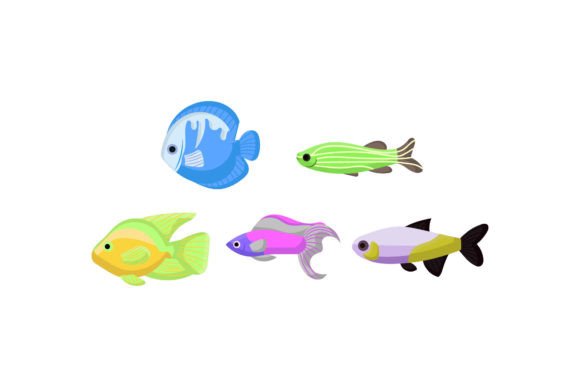
So, what exactly is this Decorative Fish design? At its core, it's a stylized illustration, but calling it that feels like an understatement. The artwork has a fluid, almost calligraphic quality. It’s not a photorealistic depiction of a fish you’d find in a textbook. Instead, it captures the essence of movement and grace. The lines are confident and elegant, suggesting the sinuous motion of a fish cutting through water. There's a certain weight and balance to the composition that gives it a sense of calm authority. The overall appeal is one of sophisticated whimsy—it’s artistic enough for a gallery wall but energetic enough to grab attention on a t-shirt or a sticker.
This visual personality is what makes it so effective. It doesn’t scream for attention with clashing colors or overly complex details. Its strength lies in its confident simplicity. This makes the Decorative Fish a remarkably flexible element. It can be the hero of a design, or it can act as a subtle, supporting motif that adds a layer of depth and interest. Think of it as a piece of modern typography, but in illustrative form—it carries mood and meaning in its very shape.
Where This Design Truly Swims: Real-World Applications
The true test of any design asset is its application. Where does the Decorative Fish design actually work? The short answer is: almost everywhere. The provided file formats—AI, SVG, Transparent PNG, JPG, and EPS—are the professional standard, ensuring you can work with it seamlessly in Adobe Illustrator, Photoshop, Canva, or any other design software. This isn't a low-resolution image clipped from the web; it's a professional-grade design component.
For brand identity and logo design, this is a fantastic starting point. A craft brewery, a sustainable seafood restaurant, a yoga studio, or a boutique tech company could all use a stylized fish mark to convey a sense of fluidity, adaptability, and natural elegance. Paired with a clean sans serif font for the company name, it creates a balanced, memorable logo. For packaging design, the fish can be embossed on boxes, printed on labels, or used as a pattern on wrapping paper, instantly elevating the perceived value of the product.
For publishing and editorial design, the applications are equally broad. Imagine this design as a chapter opener in a book, a spot illustration in a magazine article about travel or nature, or a decorative element on a book cover. It adds a touch of artistry without overwhelming the text. In the digital realm, it’s perfect for web design headers, blog post featured images, and social media graphics. A stylized fish makes for a compelling Instagram post or a professional-looking LinkedIn banner that helps a personal brand or small business stand out from the visual noise. For entrepreneurs and crafters, it’s a ready-made graphic for tote bags, cards, posters, and stickers—turning simple merchandise into something with a cohesive, professional aesthetic.
Integrating Decorative Fish into Your Creative Workflow
Having a great asset is one thing; knowing how to use it effectively is another. Here’s a practical guide to making the most of the Decorative Fish design in your projects.
First, evaluate the project fit. Does your project call for a touch of organic elegance? This design excels where you want to move away from rigid, geometric forms. It’s ideal for brands that want to appear approachable, creative, or connected to nature, water, or movement. It might be less suitable for a project requiring a strictly corporate, minimalist, or industrial aesthetic. Always consider the emotional response you want to evoke.
Next, think about font pairing and visual hierarchy. The design is a strong visual element, so the typography you pair with it needs to complement, not compete. A robust serif font can create a classic, authoritative feel, while a clean sans serif keeps things modern and readable. A script font or handwritten font could work for a more casual, artistic vibe, but use it sparingly to avoid a cluttered look. The fish design can serve as the primary visual hook, with your text providing the necessary context. Use its shape to guide the viewer's eye through your layout.
Also, consider the included formats and canvas size. The 1920px by 1280px canvas is generous, perfect for high-resolution print and detailed digital work. The Transparent PNG is your best friend for layering the fish over photos or colored backgrounds without a clumsy white box around it. The vector files (AI, SVG, EPS) are crucial—they allow you to scale the design to any size, from a tiny favicon to a massive billboard, without losing a single pixel of quality. This is the hallmark of a premium font or design asset: scalability and professional versatility.
Finally, always mind the context and readability. If you’re using the fish as a background element, ensure it’s subtle enough that text placed over it remains perfectly legible. You might reduce its opacity, change its color to a light tint, or scale it down. The goal is to enhance your message, not obscure it. For commercial projects, the provided formats typically come with a license that allows for such use, but it’s always wise to double-check the terms to ensure your commercial font or design usage is covered.
In the end, building a strong brand identity or creating impactful creative projects is about assembling a library of reliable, high-quality elements. The Decorative Fish design is one of those elements. It’s a piece of art that carries its own personality, ready to be adapted and integrated into your work. It’s a practical tool for designers, a branding shortcut for entrepreneurs, and a source of inspiration for hobbyists. It’s a visual asset that doesn’t just decorate; it communicates.